
Moving to another state or purchasing a vehicle from across the country? Car Safe Shippings helps customers arrange state-to-state auto transport for sedans, SUVs, trucks, and specialty vehicles. Explore convenient interstate shipping options designed to reduce the stress of long-distance driving.
Moving a vehicle between states can be a major logistical challenge, particularly when you are also managing a household relocation, job change, or long-distance purchase.
Driving hundreds or thousands of miles requires time, fuel, lodging, and careful planning. For many people, professional state-to-state auto transport provides a convenient alternative.
Car Safe Shippings helps customers explore interstate vehicle shipping solutions suited to their transportation needs.
Located in Frederick, Maryland, our business serves individuals seeking vehicle transportation between states throughout the United States.
Whether you are moving from Maryland to Florida, purchasing a vehicle in Texas, or relocating across the country, interstate shipping can help simplify the journey.
State-to-state auto transport is the transportation of a vehicle from one U.S. state to another using a specialized vehicle carrier.
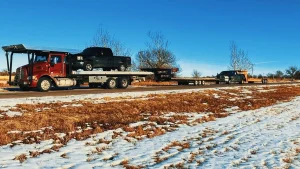
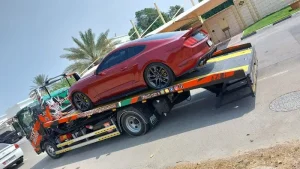
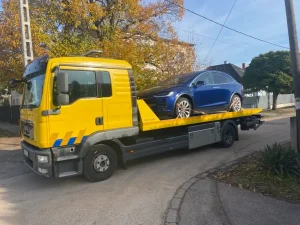
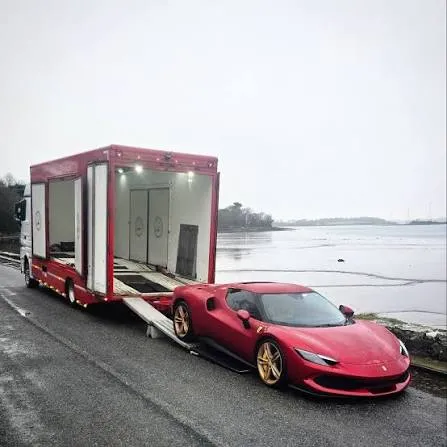
Depending on the customer’s preferences and vehicle requirements, transportation may be arranged using an open-air trailer or an enclosed carrier.
Open transport is generally suitable for standard passenger vehicles and is often the more economical option.
Enclosed transport provides additional shielding from outdoor elements and may be preferred for luxury, classic, exotic, or specialty vehicles.
Interstate shipping arrangements may also include door-to-door pickup and delivery when carrier access and local regulations permit.
The appropriate transportation method depends on the vehicle, route, budget, and desired level of protection.
One of the biggest advantages of state-to-state car transport is avoiding the need for a long-distance drive.
Driving across multiple states can add significant mileage to your vehicle and increase wear on tires, brakes, and other mechanical components.
Vehicle shipping helps avoid those additional driving miles.
Professional transportation can also reduce the amount of personal travel time required to move a vehicle.
For customers relocating for employment or family reasons, this can make it easier to focus on other moving responsibilities.
Interstate shipping may also be convenient for online automobile purchases. Buyers can arrange transportation from a distant dealership or private seller rather than traveling to collect the vehicle themselves.
Another benefit is flexibility. Customers can compare open and enclosed shipping options based on their transportation priorities.
Interstate auto shipping serves many different types of customers.
Individuals and families moving to another state often need to transport one or more vehicles alongside their household belongings.
Military personnel may require automobile transportation when receiving new duty assignments.
College students sometimes need vehicle shipping when attending schools far from home.
Seasonal residents, including people who spend part of the year in warmer climates, may use interstate transportation to move vehicles between seasonal residences.
Car dealerships, private buyers, and automobile collectors may also need to transport vehicles purchased in other states.
Regardless of the reason for shipping, planning ahead can make the transportation process easier.
Several factors influence the cost of interstate vehicle transportation.
Distance is one of the most significant considerations. Longer shipments generally have higher total costs, although the price per mile may decrease on certain long-distance routes.
Vehicle size and weight also matter. Larger SUVs, pickup trucks, and oversized vehicles may occupy more carrier space or require special arrangements.
Transportation method is another important factor. Enclosed shipping typically costs more than open transport.
Pickup and delivery locations can affect pricing as well. Routes connecting major metropolitan areas may have different carrier availability than remote or rural destinations.
Seasonal demand, fuel costs, vehicle operability, and scheduling flexibility may also influence the final quote.
For the most accurate estimate, provide complete shipment details when requesting pricing.
Start by providing your vehicle information, origin state, destination state, and preferred pickup dates.
You can then review the available shipping options and determine whether open or enclosed transport best fits your needs.
After confirming your transportation arrangements, prepare the vehicle for pickup.
Remove personal belongings, secure or remove loose accessories, document existing damage, and confirm that the vehicle is accessible to the carrier.
At pickup, the driver or carrier representative should inspect the vehicle and complete the necessary shipping documentation.
During transportation, the vehicle follows the carrier’s assigned interstate route.
Delivery estimates may change due to weather, traffic, mechanical issues, route adjustments, and other transportation conditions.
At the destination, the recipient should inspect the automobile before completing the delivery paperwork.
Planning your shipment in advance is one of the best ways to reduce unnecessary complications.
Whenever possible, provide flexible pickup dates to accommodate carrier scheduling.
Make sure your contact information is accurate and that someone is available at both pickup and delivery.
Keep copies of your transportation agreement, inspection documentation, and relevant communication.
If you are shipping a non-running vehicle, an oversized automobile, or a heavily modified vehicle, disclose those details before booking.
Customers should also confirm insurance arrangements, potential additional charges, and cancellation terms before committing to a shipment.
Car Safe Shippings focuses on helping customers navigate the practical details of long-distance vehicle transportation.
We understand that moving a car across state lines involves more than simply selecting a destination.
Our goal is to help customers evaluate transportation options, understand the shipping process, and prepare for pickup and delivery.
Whether you are relocating from Frederick, Maryland, or arranging transportation between other states, we welcome the opportunity to discuss your vehicle shipping requirements.
Planning a long-distance move? Explore your interstate vehicle shipping options with Car Safe Shippings.
Call (301) 477-9428 or email info@carsafeshipping.com to request a quote tailored to your vehicle, origin, destination, and preferred dates.
Find answers to some common questions about car shipping and vehicle transportation.
Car shipping costs depend on factors such as transportation distance, vehicle size, pickup and delivery locations, shipping method, and seasonal demand. Open transport is generally more economical than enclosed transport. Contact Car Safe Shippings for an estimate based on your specific shipment.
Transit time depends on the distance, carrier schedule, traffic, weather, and route conditions. Shorter routes may take only a few days, while cross-country transportation can take longer. Pickup scheduling time may be separate from actual transit time.
Open car transport is widely used for everyday automobiles, including new and used vehicles. While cars are exposed to outdoor weather and road conditions, professional carriers use secure loading and transportation procedures. Customers seeking additional protection may prefer enclosed shipping.
You or an authorized representative generally need to be available to provide access to the vehicle, participate in inspections, and sign the necessary shipping documents. Discuss representative arrangements with the transport provider before pickup.
Wash your vehicle, document its existing condition, remove personal belongings, check for leaks, maintain an appropriate fuel level, and ensure the carrier has the necessary keys. Confirm any additional preparation requirements before your scheduled pickup.